Andersen Asphalt & Striping of Las Vegas, Nevada
Nevada Asphalt Paving, Sealcoating, Striping Maintenance & More
Welcome to Andersen Asphalt & Striping LLC! We pride ourselves in offering residential, HOA & commercial, government and institutional asphalt and striping services to our valued customers in the State of Nevada.
Our asphalt and striping services provide safe, effective and appealing parking areas and roads. We work with a variety of large, small and medium sized clients in Greater Las Vegas, NV and across the state of Nevada and pledge that our pavement services are always completed using the highest quality materials that will elevate the look of your property and last for years to come.
Our team is composed of extensively trained and certified paving contractors ready and able to work hard for you. Contact us to discuss your next asphalt paving and striping maintenance project today! Lic# 0076595. Monetary Limit $3,000,000.
CLICK HERE TO REQUEST A FREE QUOTE
Asphalt Paving & Bituminous Patching Services in Greater Las Vegas, NV
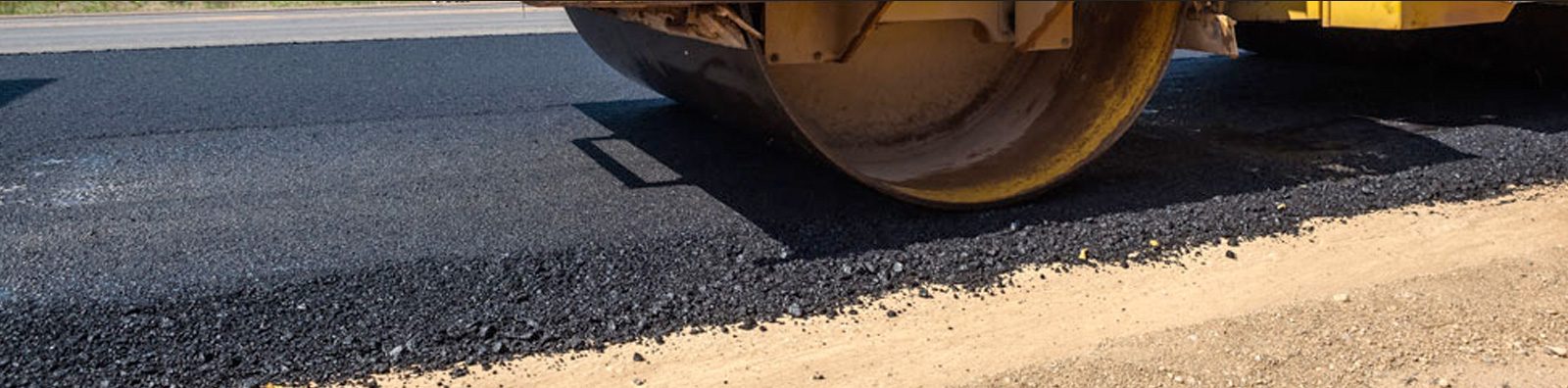
At Andersen Asphalt & Striping LLC, asphalt services are our specialty. Our heavy machinery gives us the ability to lay your asphalt quickly and flawlessly to avoid disruption to your business and roads. When you choose us for your paving needs, you know that you are receiving the highest level of work, and that we will always deliver top-notch results. If your current Las Vegas, NV asphalt needs patching, we will fix any areas that are showing signs of wear and damage so that your roads and parking lots look like new again. With our asphalt patching services, we can extend the life of your asphalt so you can avoid premature replacement.
Greater Las Vegas, Nevada Sealcoating Contractors
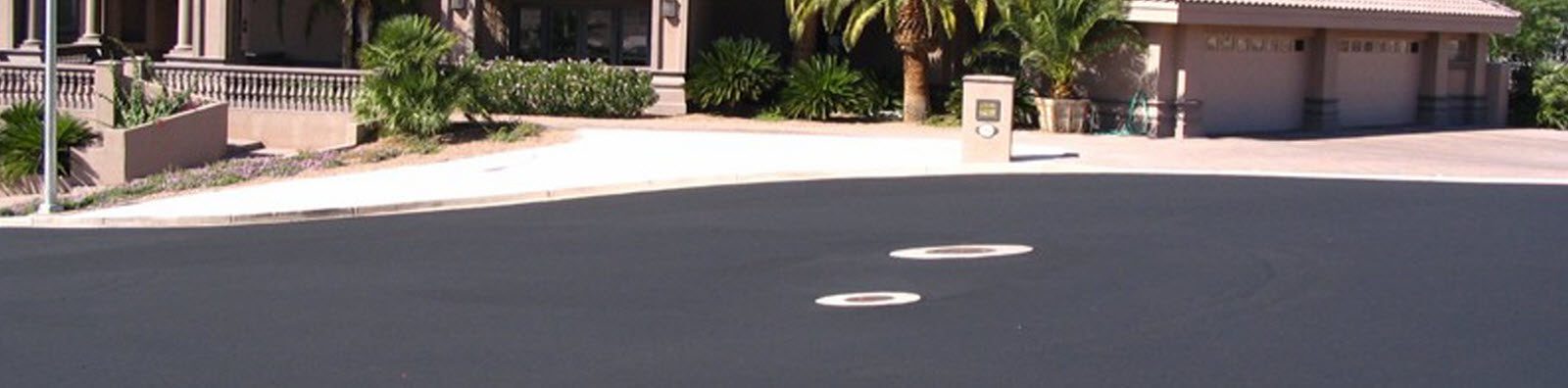
When you have asphalt laid, it is a mixture of rock and gravel mixed with a binder or asphalt cement. If this binder starts to break down, it can completely ruin your asphalt. That’s why it’s so important to have a dependable sealcoating contractor like Andersen Asphalt & Striping LLC at the ready. Sealcoating is made up of tar and additives specific to the climate of the project to protect that binder so your asphalt doesn’t get damaged. The deep black finish that is left when the process is complete gives your asphalt a new, polished look. When you rely on our team of local Las Vegas, NV professionals to handle your sealcoating, you can expect to get more than double the life out of your asphalt and increase your curb appeal in the process.
Parking Lot Marking & Road Striping Company in Las Vegas, NV
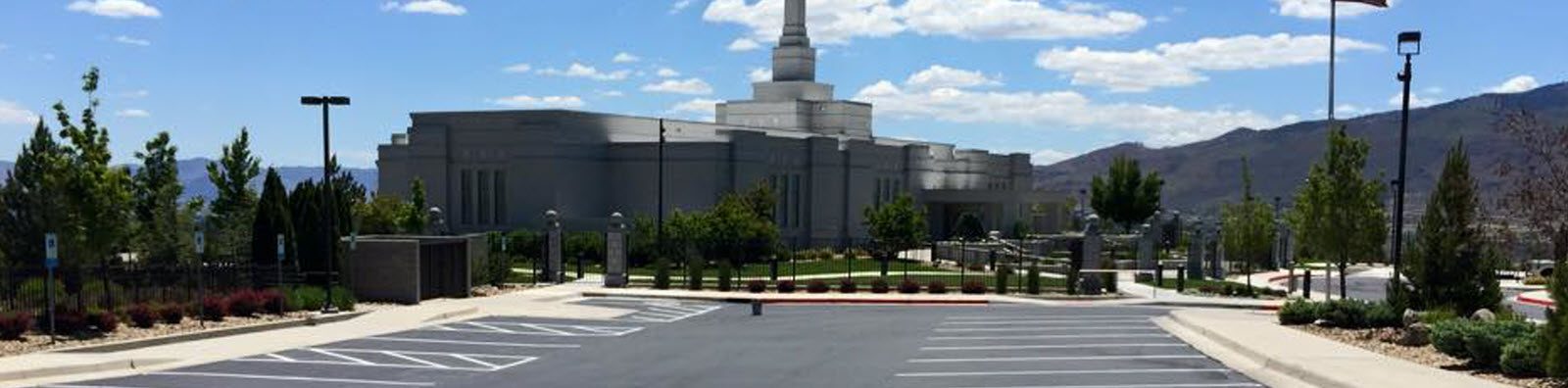
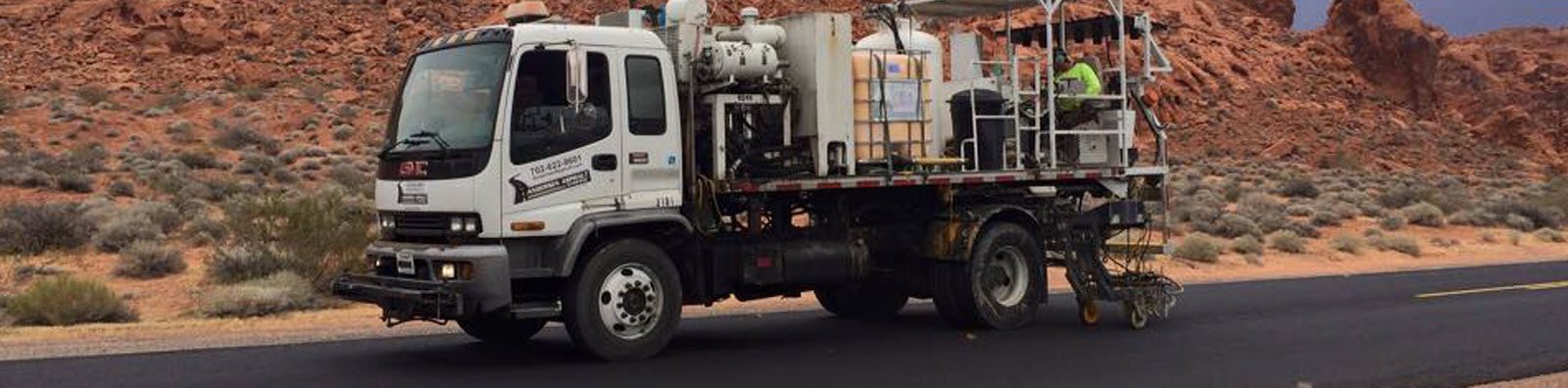
Once your Las Vegas asphalt is complete, it’s important that the striping is done with precision. Our team of experts pay meticulous attention to detail that ensure the lines are exactly where they need to be as straight as an arrow. Striping that isn’t done with exactness won’t only look bad, but those that drive on the road or in the parking lot need to be guided by these stripes and when they aren’t done right, it can put drivers in danger. Avoid liability issues and choose Andersen Asphalt & Striping LLC to handle your striping needs.
Las Vegas, NV Speed Humps, Bumps & Traffic Slowing Devices
When it comes to speed control, nothing will get the job done like speed humps and bumps. Not only can speeding endanger the driver, but those that are walking through those parking lots and in those streets. If you are looking for someone to help eliminate the speeding problem on your streets or in your parking lots, Andersen Asphalt & Striping LLC is here to help.
Wheel Stops & Bumper Parking Blocks in Las Vegas, NV
Andersen Asphalt & Striping LLC of Greater Las Vegas, NV also offers our valued customers wheel stops and bumper parking blocks that can withstand the abuse that cars often inflict when coming to a stop. As well as being functional, our wheel stops and bumper blocks will also update and improve the overall appearance of your parking lot rather than detract from it.
Pavement Maintenance Services in Reno, Elko, Henderson, North LV, Paradise, Spring Valley, Sunrise Manor, Las Vegas, NV | State of Nevada
We pride ourselves in the asphalt & paving services that we offer our valued clients in the Greater Las Vegas, NV Valley and across the State of Nevada. If you are looking for a company that you can trust, look no further than Andersen Asphalt & Striping LLC for all your asphalt needs. Call us today!
