
Asphalt surfaces like driveways, parking lots, and roadways are constantly exposed to sun, rain, oil leaks, and heavy traffic. Over time, this wear and tear can cause cracking, fading, and surface deterioration. Two common solutions used to protect and restore asphalt are sealcoating and asphalt resurfacing, but many property owners don’t fully understand how they differ or when each is needed. Knowing the difference can help you protect your asphalt investment and avoid unnecessary costs. With this in mind, we at Andersen Asphalt & Striping would like to discuss the differences between sealcoating and asphalt resurfacing, and the importance of sealcoating.
What is Asphalt Sealcoating?
Sealcoating is a preventive maintenance treatment applied to the surface of existing asphalt. It involves spreading a protective liquid sealant over the pavement to shield it from damaging elements like UV rays, water penetration, chemicals, and oxidation.
Sealcoating does not repair deep structural damage, but it slows deterioration, restores the asphalt’s rich black appearance, and creates a barrier that helps prevent cracks and potholes from forming. It’s most effective when applied to asphalt that is still in relatively good condition, typically every 2–3 years.
What is Asphalt Resurfacing?
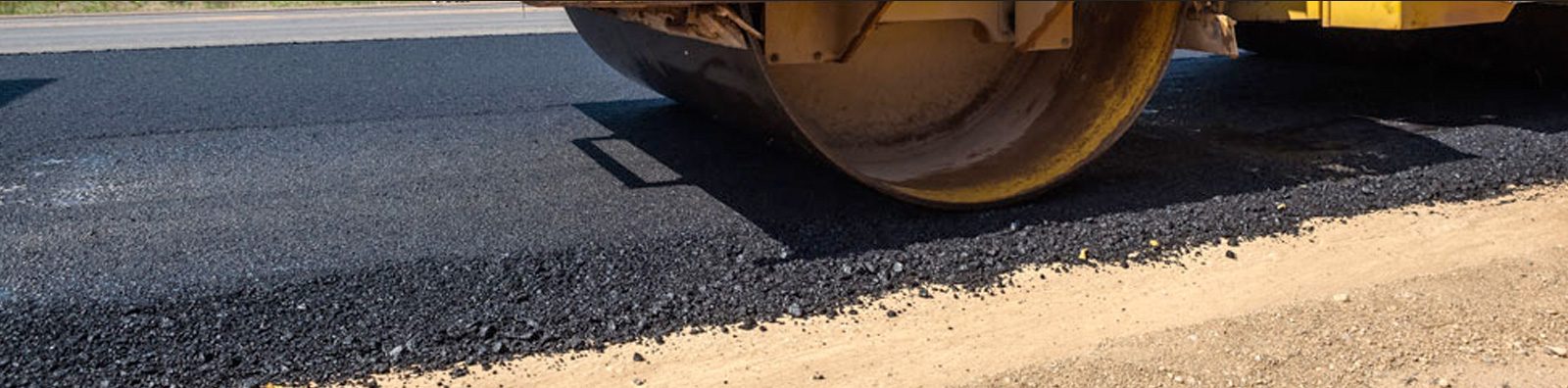
Asphalt resurfacing, sometimes called an overlay, is a corrective repair method. It involves adding a new layer of hot asphalt over an existing surface after proper preparation. Resurfacing addresses more advanced issues such as widespread cracking, surface fatigue, uneven areas, and moderate structural wear.
While resurfacing is less expensive than full asphalt replacement, it is significantly more costly and time-consuming than sealcoating. It is usually recommended when asphalt has progressed beyond simple surface protection but still has a stable base underneath.
Key Differences Between Sealcoating & Resurfacing
The main difference between sealcoating and resurfacing is purpose. Sealcoating is preventive, while resurfacing is restorative. Sealcoating protects asphalt before serious damage occurs, whereas resurfacing repairs visible deterioration that has already taken place.
Another difference is cost and disruption. Sealcoating is faster, more affordable, and requires minimal downtime. Resurfacing involves heavier equipment, longer project timelines, and higher costs but provides a thicker, renewed surface.
Why Sealcoating is So Important
Sealcoating plays a crucial role in extending the life of asphalt. Without it, asphalt is left vulnerable to oxidation, which dries out the surface and causes cracking. Water can then seep into these cracks, weakening the foundation and leading to potholes and base failure.
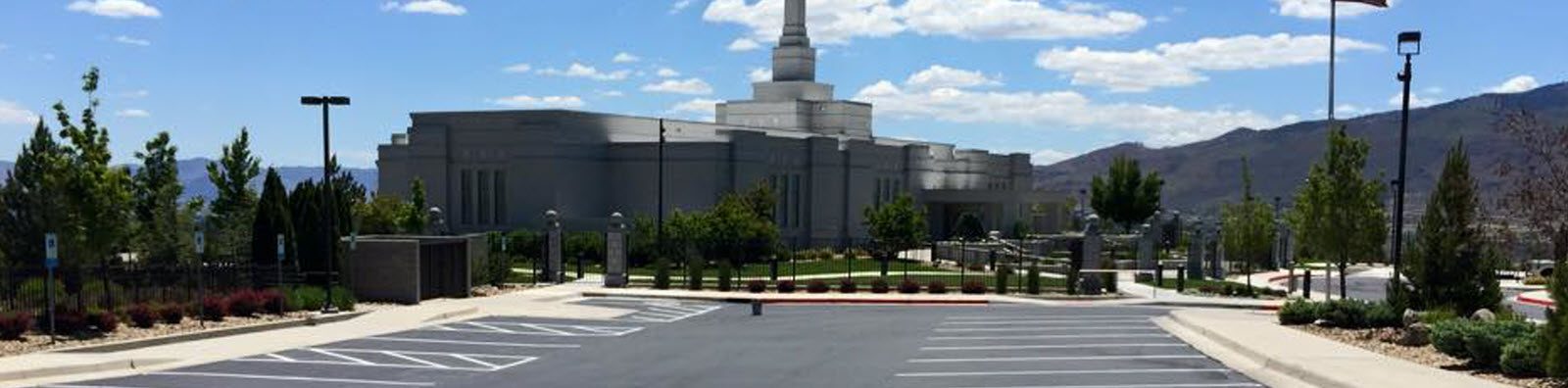
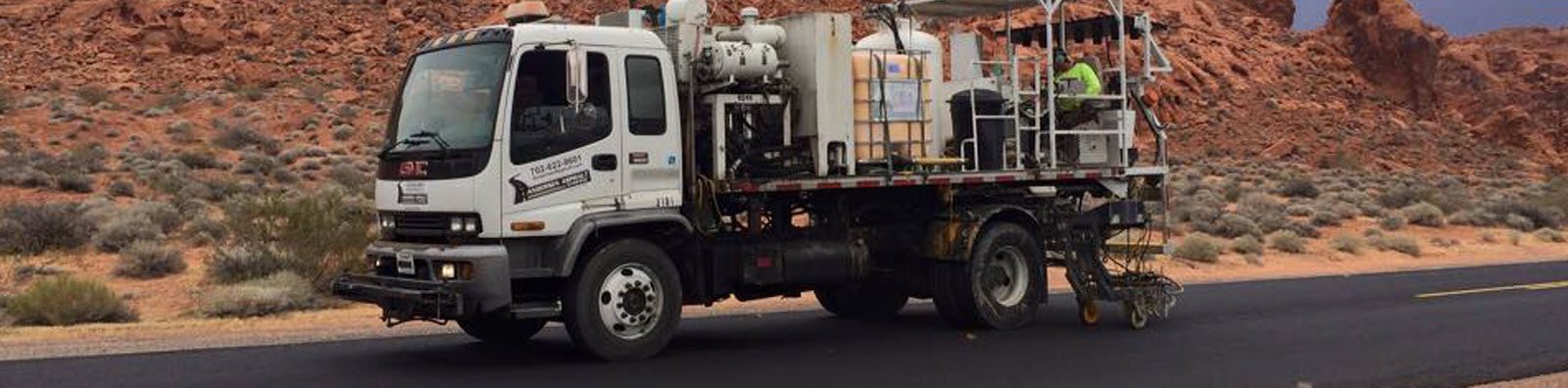
Regular sealcoating can extend asphalt lifespan by several years, reduce long-term maintenance expenses, and delay the need for resurfacing or replacement. It also improves safety by enhancing surface traction and increasing visibility for parking lot striping.
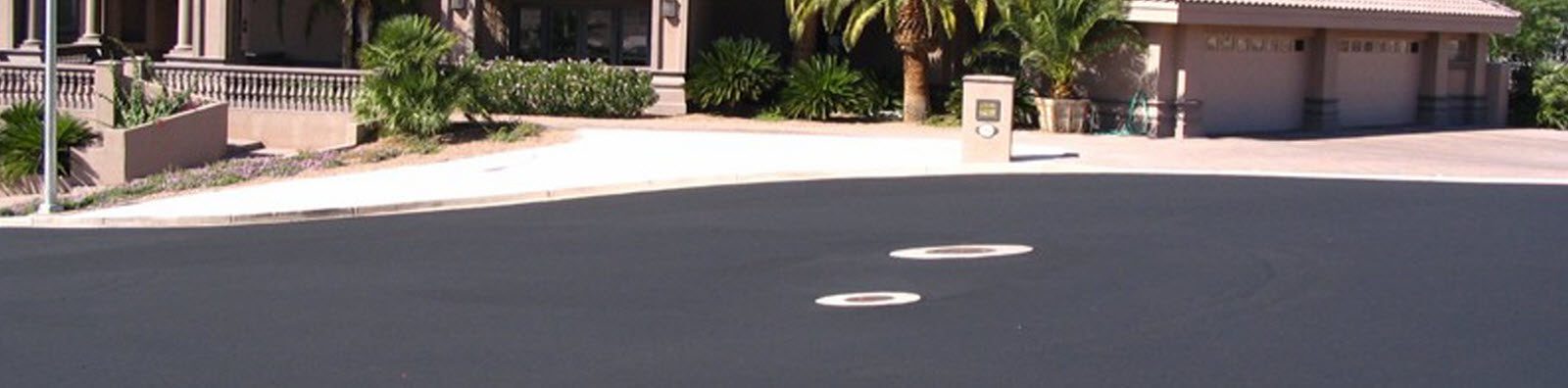
From a visual standpoint, sealcoating dramatically improves curb appeal. A freshly sealcoated surface gives homes and businesses a clean, professional appearance that reflects well on the property owner.
Choosing the Right Solution
Sealcoating and resurfacing both have their place in asphalt maintenance, but sealcoating should always be the first line of defense. By investing in routine sealcoating, property owners can preserve asphalt condition, protect their investment, and avoid costly repairs down the road. Contact Andersen Asphalt & Striping for asphalt sealcoating services!
