
Asphalt pavement is built to handle years of traffic, changing weather, and heavy use, but it will not last forever. Over time, cracks, potholes, drainage issues, and surface deterioration can turn a once-smooth parking lot or driveway into a safety hazard and an eyesore. While routine maintenance and repairs can extend the life of asphalt, there comes a point when replacement is the smarter and more cost-effective option. Andersen Asphalt & Striping will share how knowing when to remove and replace old asphalt pavement can help property owners avoid costly damage, improve curb appeal, and maintain a safer surface for vehicles and pedestrians.
How Long Does Asphalt Pavement Last?
The lifespan of asphalt pavement depends on several factors, including traffic volume, weather conditions, drainage, and maintenance history. In general:
• Residential driveways often last 15 to 25 years.
• Commercial parking lots may last 15 to 20 years.
• Roads and high-traffic surfaces may require replacement sooner.
Regular sealcoating, crack filling, and repairs can extend pavement life, but aging asphalt will eventually show signs that replacement is necessary.
Signs Your Asphalt Pavement Needs Replacement
Extensive Cracking: Small cracks are common and can usually be repaired. However, widespread cracking often indicates deeper structural problems beneath the surface. When cracking becomes severe, patching may only provide a temporary fix. Full removal and replacement may be the better long-term solution.
Large Potholes and Surface Damage: Potholes develop when water penetrates the pavement and weakens the base underneath. While small potholes can be patched, repeated pothole problems may indicate the pavement foundation has failed. Ignoring potholes can lead to vehicle damage, trip hazards, and liability concerns for property owners.
Drainage Problems: Proper drainage is essential for asphalt longevity. Standing water weakens the pavement structure and accelerates deterioration. If drainage problems are severe, replacing the asphalt may be necessary to correct grading and prevent future damage.
Fading and Oxidation: Over time, asphalt loses its rich black color and turns gray due to oxidation from sunlight and weather exposure. While fading alone does not always require replacement, severe oxidation can make pavement brittle and more vulnerable to cracking. If your pavement looks dry, rough, and heavily weathered, it may be nearing the end of its lifespan.
Uneven or Sunken Pavement: Areas that sink, shift, or become uneven often indicate a failing sub-base beneath the asphalt. Surface repairs may temporarily improve the appearance, but they will not solve the underlying issue. If the foundation is compromised, full pavement removal and reconstruction may be necessary.
Benefits of Replacing Old Asphalt Pavement
Replacing deteriorated pavement offers several advantages beyond improved appearance.
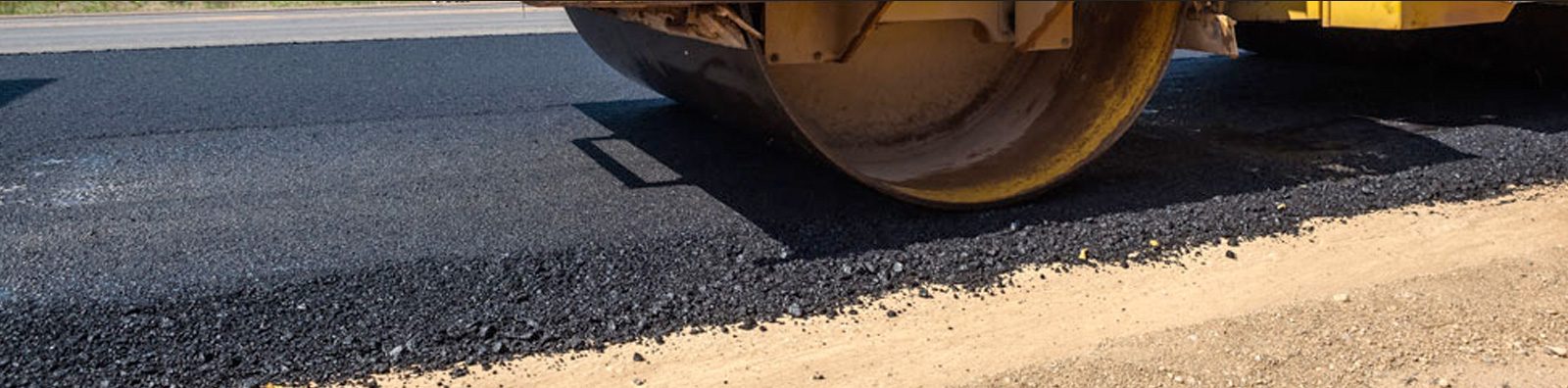
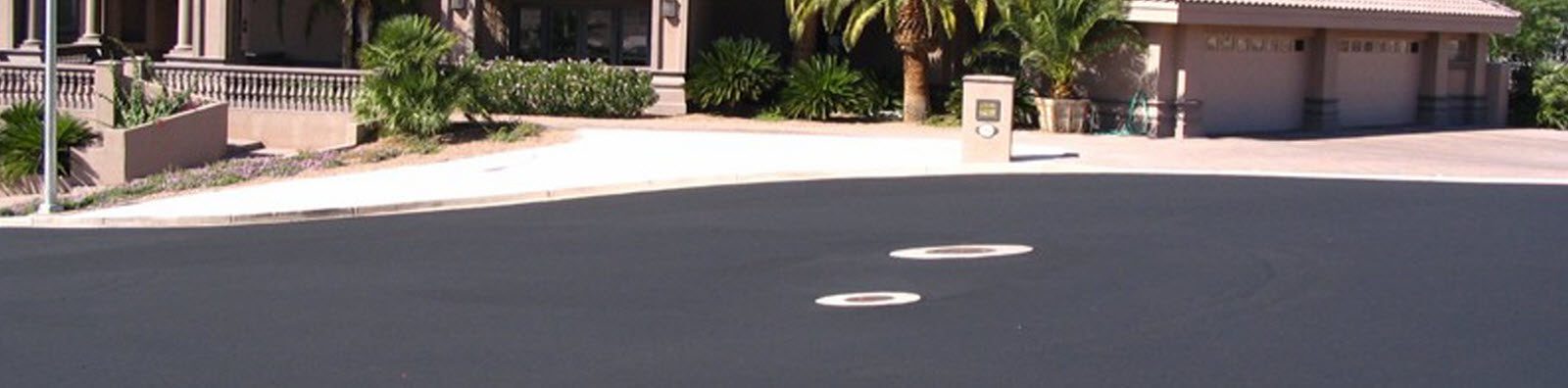
Improved Curb Appeal: Fresh asphalt instantly enhances the appearance of a property. A smooth, dark surface creates a cleaner and more professional look for homes and businesses alike.
Better Safety: New pavement eliminates hazards caused by cracks, potholes, and uneven surfaces, creating safer conditions for both pedestrians and vehicles.
Lower Maintenance Costs: New asphalt requires less repair work and ongoing maintenance compared to aging pavement that constantly needs patching.
Enhanced Drainage: Replacing asphalt allows contractors to correct grading issues and improve water runoff, helping prevent future damage.
Asphalt Parking Lot & Road Pavement Resurfacing, Replacement & More in Reno, Elko, Henderson, North LV, Paradise, Spring Valley, Sunrise Manor, Las Vegas, NV | State of Nevada
Old asphalt pavement does not improve with time. Small issues can quickly grow into larger structural problems if ignored. If you need your old asphalt removed and replaced, contact Andersen Asphalt & Striping today.
