
Winter can be tough on asphalt driveways, parking lots, and roadways. Cold temperatures, snow, ice, and the use of de-icing chemicals all contribute to the gradual deterioration of asphalt surfaces. Understanding how winter weather damages asphalt, and how sealcoating can protect it, can save homeowners and business owners significant repair costs over time. With this in mind, we at Andersen Asphalt & Striping would like to offer some insight on how winter weather damages asphalt and how sealing helps.
The Impact of Freeze-Thaw Cycles
One of the biggest threats to asphalt during winter is the freeze-thaw cycle. Water from rain, melting snow, or ice can seep into tiny cracks in the asphalt. When temperatures drop, this water freezes and expands, putting pressure on the surrounding asphalt. As the ice thaws, it contracts, leaving small gaps and weakened areas behind. Repeated cycles of freezing and thawing can cause cracks to grow, potholes to form, and the overall integrity of the asphalt to decline.
The Role of Snow & Ice
Snow accumulation and ice formation create additional stress on asphalt. Heavy snow can compact on driveways or parking lots, increasing the load and creating small indentations. Ice layers, particularly when paired with salt or other de-icing chemicals, accelerate the breakdown of asphalt surfaces. Salt is essential for safety, but it is corrosive, weakening the asphalt binder and making it more prone to cracking and crumbling over time.
Why Sealcoating Matters
Sealcoating is a protective layer applied to asphalt surfaces, typically made from a combination of asphalt emulsion, sand, and additives. This layer serves as a barrier, preventing water from penetrating the surface. By blocking moisture, sealcoating significantly reduces the damage caused by freeze-thaw cycles. It also helps shield asphalt from the corrosive effects of salt and other chemicals, maintaining the flexibility and strength of the surface.
Additional Benefits of Sealcoating
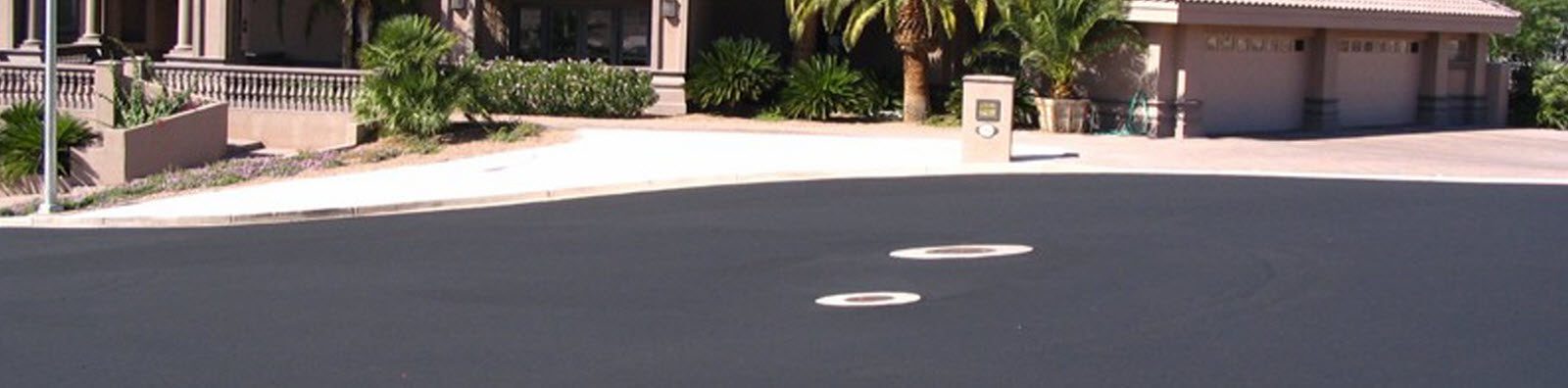
Besides winter protection, sealcoating has other advantages. It enhances the appearance of asphalt, giving it a fresh, black finish that improves curb appeal. Sealcoating also helps protect against UV damage during summer months, which can cause asphalt to dry out, crack, and fade. By investing in regular sealcoating, property owners can extend the lifespan of their asphalt surfaces by several years while avoiding costly repairs like patching or resurfacing.
Best Practices for Winter Protection
To maximize winter protection, it’s recommended to sealcoat asphalt in the warmer months before the first freeze. Filling cracks before the sealcoat is applied ensures a smooth, impermeable surface. Additionally, minimizing the use of salt and heavy machinery on asphalt during winter can help reduce stress and prolong the life of your paved areas.
Asphalt Parking Lot & Road Pavement Resurfacing, Replacement & More in Reno, Elko, Henderson, North LV, Paradise, Spring Valley, Sunrise Manor, Las Vegas, NV | State of Nevada
In a nutshell, winter weather poses serious risks to asphalt surfaces, from freeze-thaw cycles to chemical exposure. Sealcoating acts as a vital defense, protecting your investment and keeping your driveway, parking lot, or roadway in top condition year-round. Regular maintenance with sealcoating is a small effort that pays off in long-term durability and cost savings.
