
Asphalt surfaces face constant wear from traffic, weather, and exposure to the sun. Over time, this can lead to cracking, fading, and deterioration that shortens the life of the pavement and increases repair costs. Sealcoating is a proven maintenance technique that restores the look of asphalt while adding a protective barrier against the elements. Understanding how sealcoating works and why it is important can help homeowners and business owners keep their driveways and parking lots in excellent condition for years. In this blog post, the experts from Andersen Asphalt & Striping share the importance of protecting your pavement.
What Sealcoating Does for Asphalt
Sealcoating serves as a shield for asphalt pavement. It applies a thin, protective layer across the surface that blocks harmful ultraviolet rays, which can dry out the asphalt binder and make it more brittle. It also keeps water from seeping into small cracks, where it can cause expansion during freezing temperatures and create larger structural issues. Sealcoating even protects the asphalt from oil and chemical spills, which can soften and break down the pavement over time. By acting as both a barrier and a preservative, the sealcoat helps the pavement maintain its strength and flexibility.
Improving Appearance & First Impressions
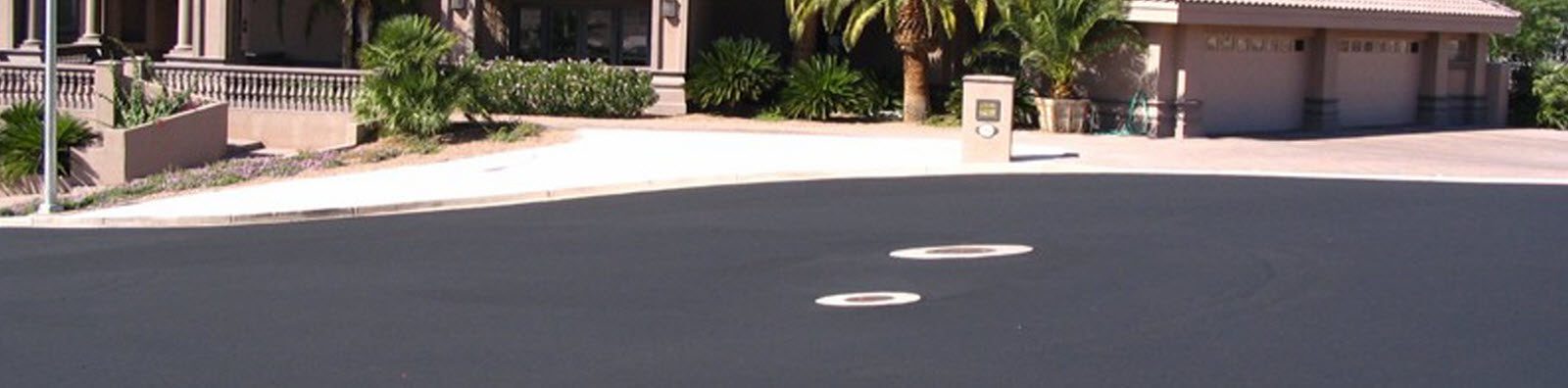
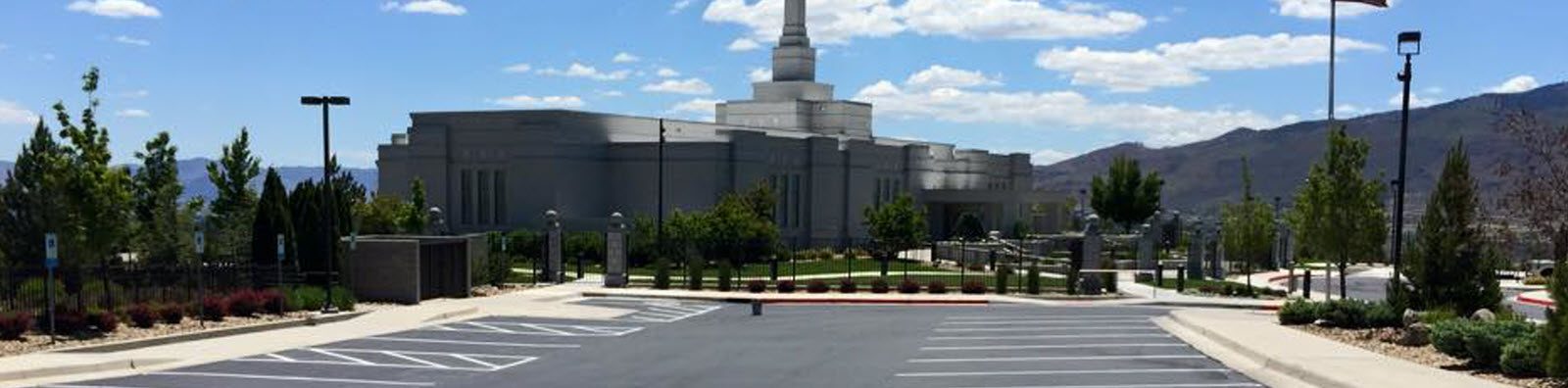
Aside from protection, sealcoating significantly improves the appearance of asphalt. As pavement ages, it gradually fades from deep black to a dull gray due to oxidation. Sealcoating restores the surface to a rich, dark finish that looks newer and more professional. For businesses, this can make a strong first impression on customers by presenting a clean and well-maintained property. For homeowners, a freshly sealed driveway increases curb appeal and complements the overall look of the home. A smooth, uniform surface also makes painted lines and markings more visible in parking lots, enhancing safety and organization.
Cost-Effective Preventative Maintenance
Sealcoating is one of the most cost-effective ways to preserve asphalt. Regular applications can extend the lifespan of a pavement by many years, helping property owners delay expensive resurfacing or replacement. Because sealcoating is far more affordable than major repairs, it is considered essential preventative maintenance. Most professionals recommend sealcoating every two to three years depending on traffic levels and climate. Staying on this schedule keeps the protective layer strong and ensures that minor issues do not develop into costly damage.
When & How Sealcoating Should Be Done
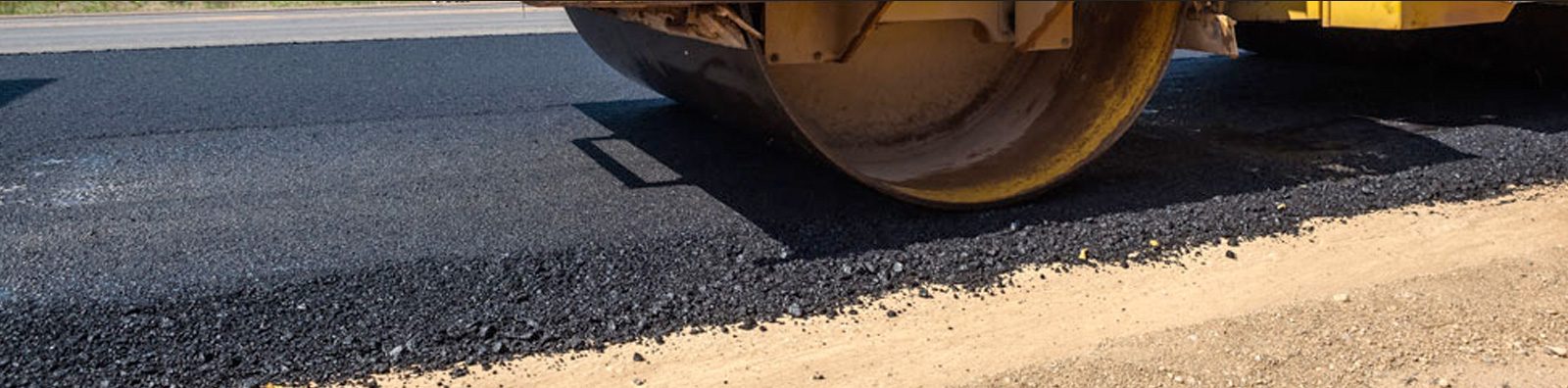
Timing matters when it comes to sealcoating. The process requires dry conditions and temperatures warm enough for the sealant to properly cure. Late spring through early fall is typically the best time in most regions. Before applying the sealcoat, the pavement must be cleaned thoroughly to remove dirt, debris, and oil spots. Any cracks or potholes should be repaired first so the sealcoat can bond smoothly to the surface. Once applied, the area should remain undisturbed for at least twenty-four hours to allow the coating to dry and harden. Following professional guidelines ensures the best results and the longest-lasting protection.
Asphalt Parking Lot & Road Pavement Resurfacing, Replacement & More in Reno, Elko, Henderson, North LV, Paradise, Spring Valley, Sunrise Manor, Las Vegas, NV | State of Nevada
By investing in asphalt sealcoating, property owners safeguard their pavement from aging and environmental damage while improving curb appeal. With consistent maintenance, asphalt surfaces remain durable, attractive, and cost-efficient for many years. Call Andersen Asphalt & Striping today to protect your driveways and pavements.
