When most people think about asphalt damage, they picture potholes, heavy traffic, or winter freeze-thaw cycles. But one of the most destructive forces to your driveway or parking lot is something you can’t even see, ultraviolet (UV) rays from the sun. Asphalt is made with a binder called bitumen, which holds the aggregate together and keeps the surface flexible. Over time, UV exposure oxidizes this binder, causing it to dry out, lose elasticity, and become brittle. Once that happens, your asphalt becomes far more vulnerable to cracking, raveling, and surface deterioration. In short, the sun is constantly cooking your pavement, even when the damage isn’t obvious yet. We at Andersen Asphalt & Striping would like to discuss the harm UV rays cause to asphalt and how sealcoating helps.
Oxidation: The First Stage of Asphalt Aging
Oxidation starts as soon as asphalt is laid. While some oxidation is normal, prolonged sun exposure accelerates the process dramatically. As the asphalt loses its natural oils and flexibility, it changes color from deep black to dull gray. That color shift isn’t just cosmetic, it’s a warning sign. Gray pavement indicates weakened binder and increased porosity, meaning water, oil, and other contaminants can now seep inside more easily. Once UV rays have broken down the binder enough, small surface cracks begin to develop. These tiny imperfections eventually grow larger, leading to bigger cracks, potholes, and costly structural failures that require extensive repairs.
UV Damage Makes Everything Else Worse
Sun damage doesn’t just weaken asphalt, it amplifies every other stress your pavement experiences. UV-brittled asphalt can’t flex under the pressure of vehicles the way it should. Instead of absorbing weight, it fractures. When those fractures are exposed to rain, snow, or ice, water slips beneath the surface and begins eroding the foundation layer. That’s when major issues like potholes, sinking spots, and alligator cracking start to form. The smoother and darker your asphalt, the better it resists these environmental factors. But once UV rays have done enough damage, the pavement essentially loses its ability to protect itself.
Sealcoating: A Shield Against UV Damage
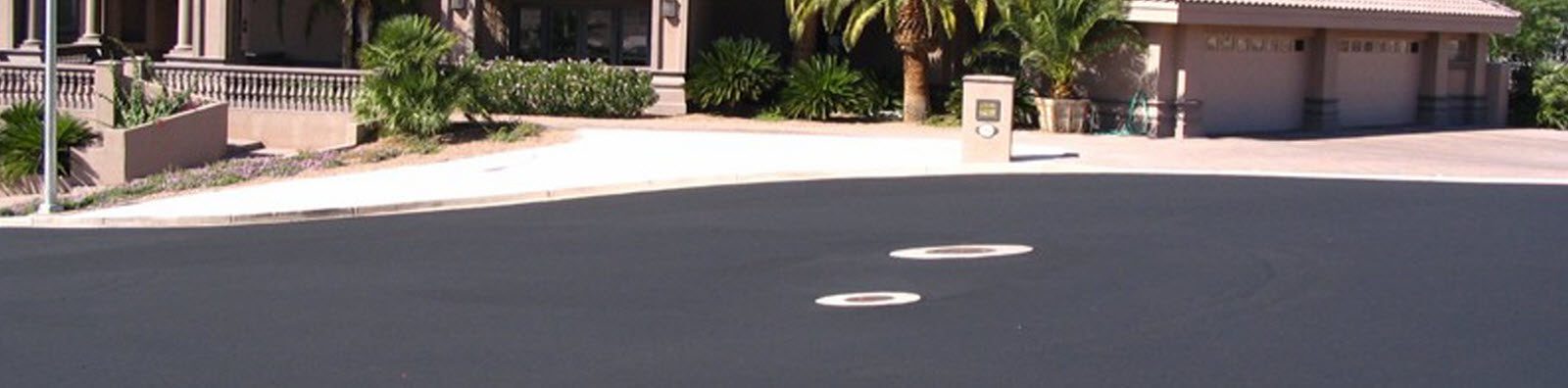
Sealcoating is one of the most effective ways to protect asphalt from UV rays and extend its lifespan. A professional-grade sealcoat acts like sunscreen for your pavement. It creates a protective barrier over the surface that blocks UV penetration and slows oxidation significantly. By restoring a rich, jet-black finish, sealcoating also helps the pavement retain heat evenly, which improves flexibility. This topcoat keeps the binder intact, protects the asphalt’s structural integrity, and prevents moisture and chemicals from seeping inside. When applied regularly, usually every two to three years, sealcoating can double or even triple the life of your asphalt.
The Long-Term Value of UV Protection
Sealcoating isn’t just a cosmetic upgrade; it’s a long-term maintenance investment. By shielding the pavement from UV rays and preventing premature aging, you spend far less on repairs down the line. A properly maintained asphalt surface stays smoother, safer, and more attractive for years longer than untreated pavement. If your driveway or parking lot is beginning to fade, dry out, or show early signs of cracking, sealcoating can halt the damage and restore protection before problems escalate. Ultimately, UV rays may be asphalt’s worst enemy, but with routine sealcoating, you can keep your pavement strong, durable, and protected year-round. Call Andersen Asphalt & Striping for sealcoating and other services.
